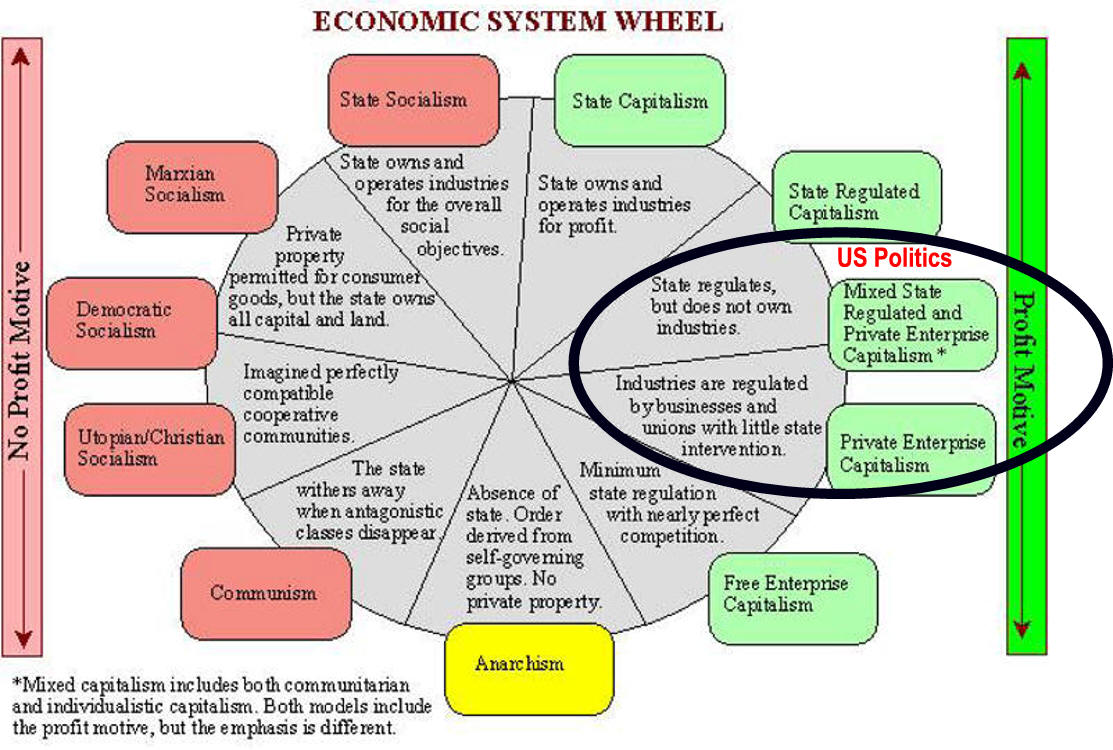
|
Lecture Notes
I.
How
Capitalism Answers the Economic Questions
A.
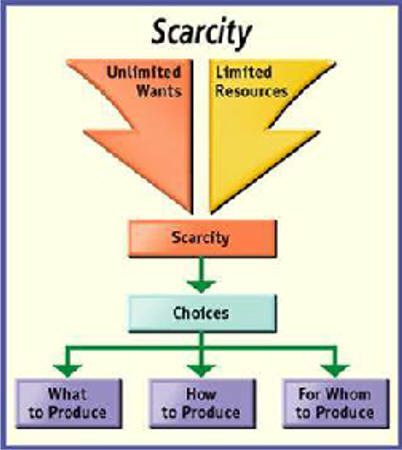
What to produce?
1. Which goods?
a.
Those that can be sold at a profit, consumers vote with dollars
b.
Accounting
Profit: The amount by which total revenue exceeds
accounting costs (rents,
wages, and interest) Note these are
three of the four
Factors of Production
c.
Normal
Profit
1. Amount received for enterprise
2. Considered by economists to be a cost
d.
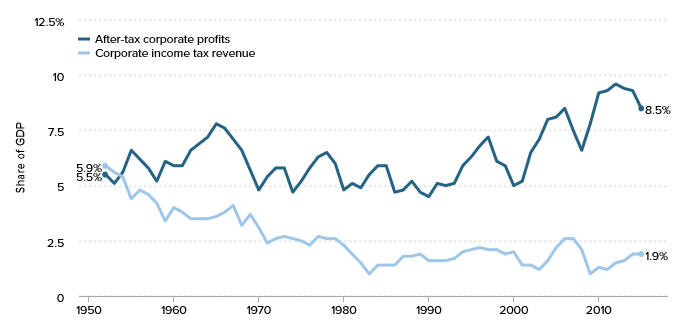
Economic
Profits
1. The amount by which total revenues exceed all "Factor" costs.
Some
think of it as a surplus.
2.
Expanding industries have economic profit.
a) Bill Gates, founder of Microsoft, has earned billions
of dollars.
b) So has Sam Walton of Wal-Mart
c.
Lester
C. Thurow Profits, Concise Encyclopedia of
Economics.
e.
Difference between accounting economic and-normal
2. How many goods?
a.
Level of demand and efficiency of supply determine output.
b.
Society determines total demand
(who works, how often and for how many years).
c.
Success of economic system determines efficiency of supply.
d.
Wealth Hits Another Peak. Time to Celebrate or Worry?
8/1/17
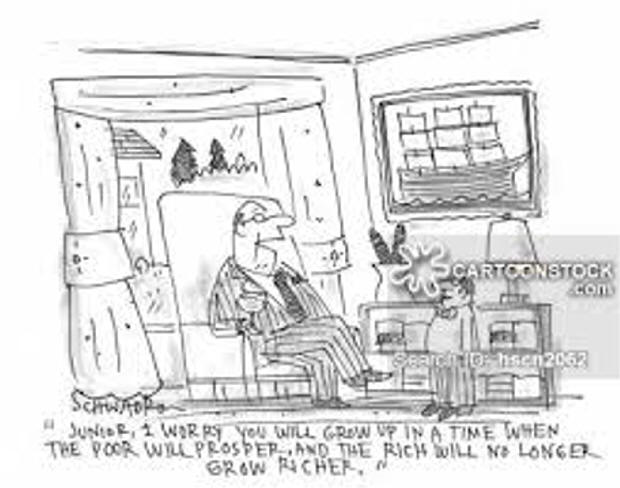
Editor's Note: Income distribution id a political question.
B.
How to produce?
1. Companies must be competitive
2. Competition is the "Invisible
Hand" assuring
a. High quality
goods are produced.
b. Efficient
production methods are employed.
c. Prices and
profits are reasonable.
d. For more read
Adam Smith and the invisible hand
by H Joyce
3. Technology and innovation are
instrumental to success.
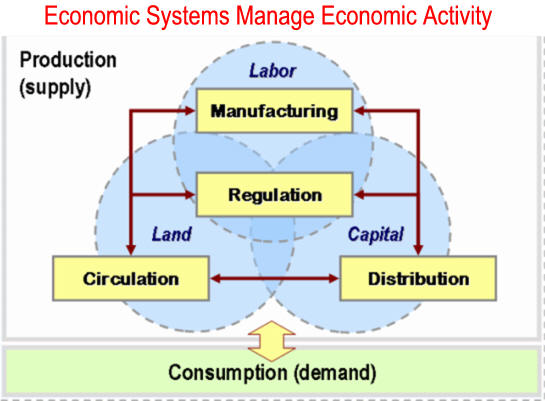
C.
Who will receive production?
1. Those willing and able to
pay
2 .Function of income, savings,
and attitude toward debt financing
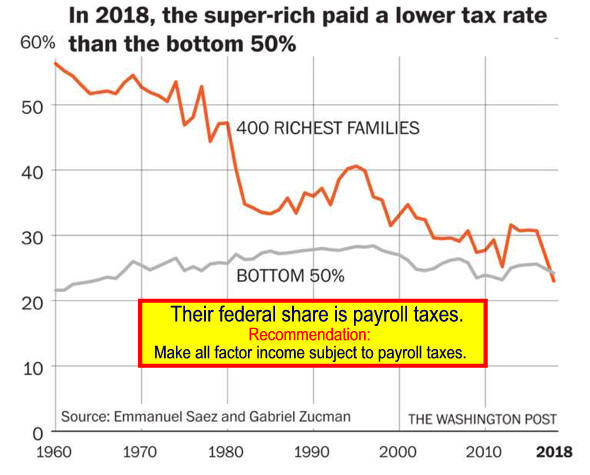
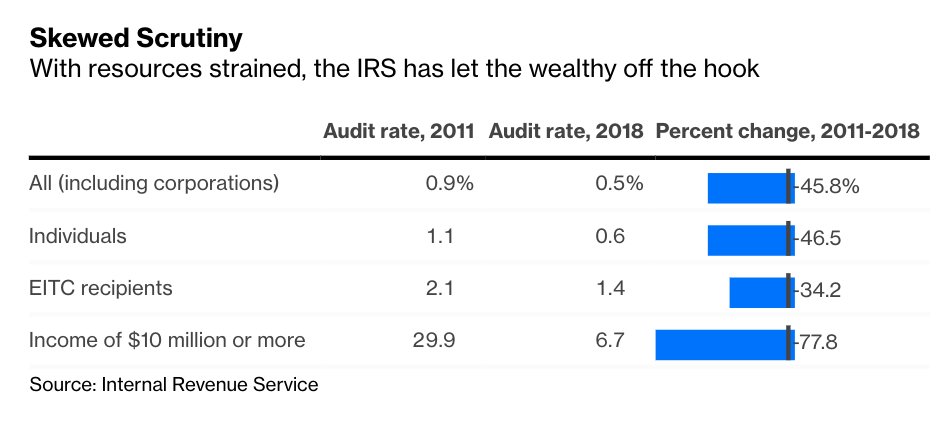
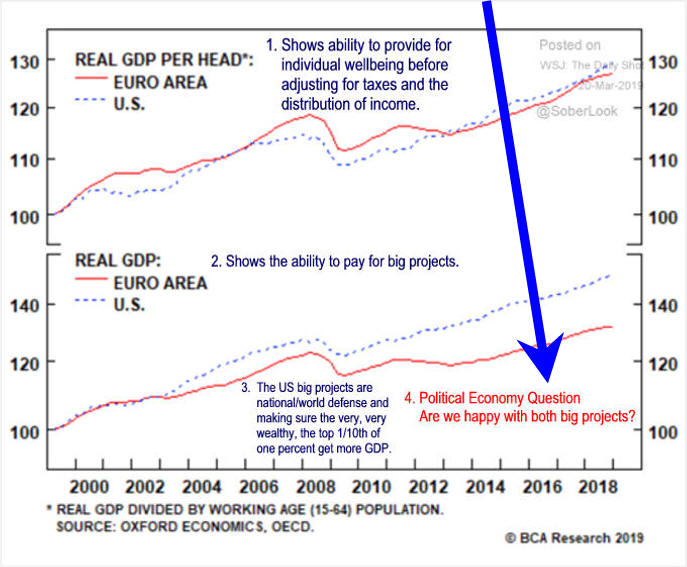
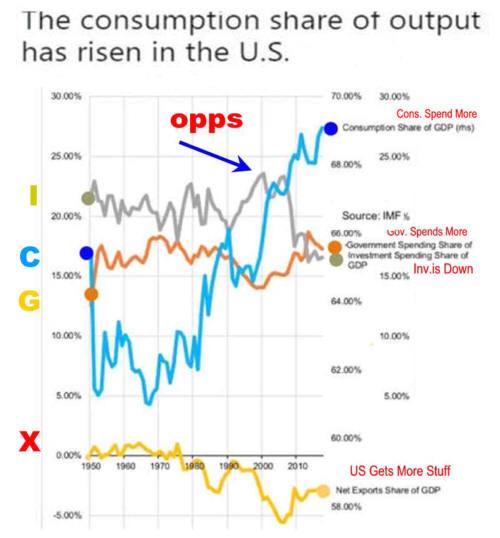
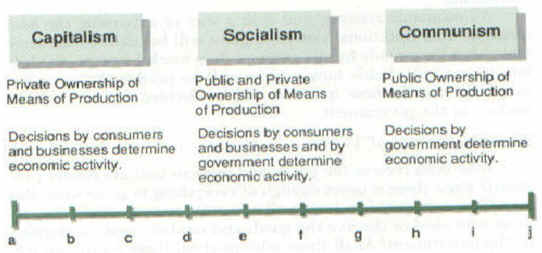
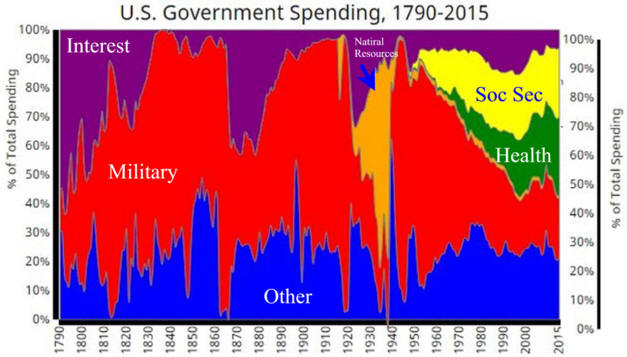
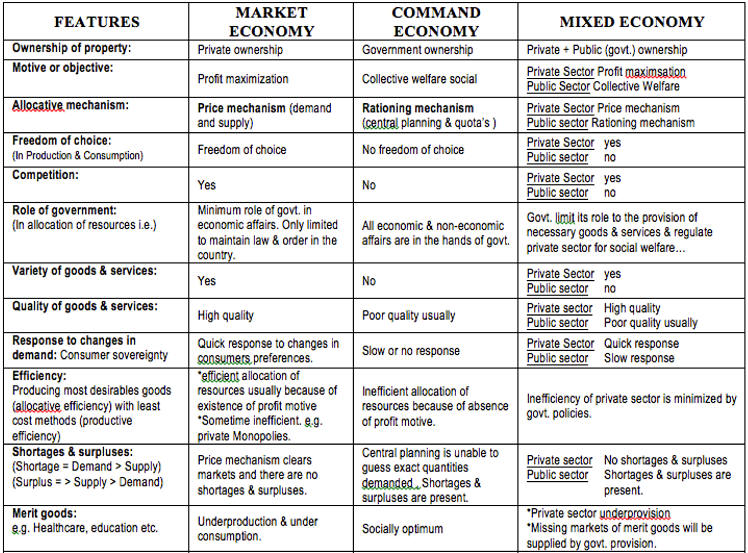
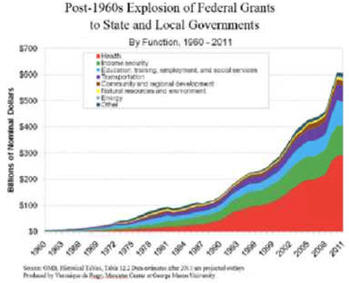
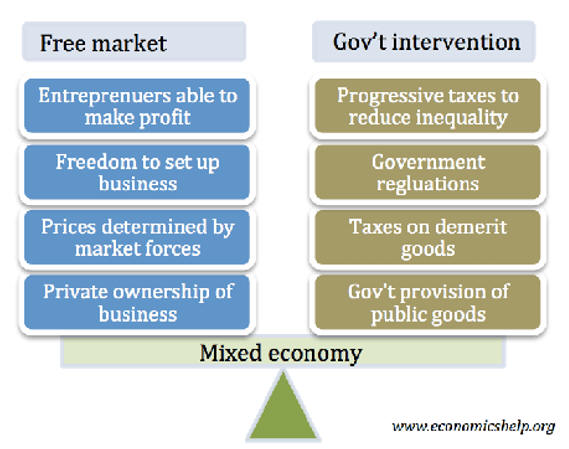
3. In a Mixed Economy the government
has a say in who receives production.
See
Taxes
and
history-of-us-taxes/
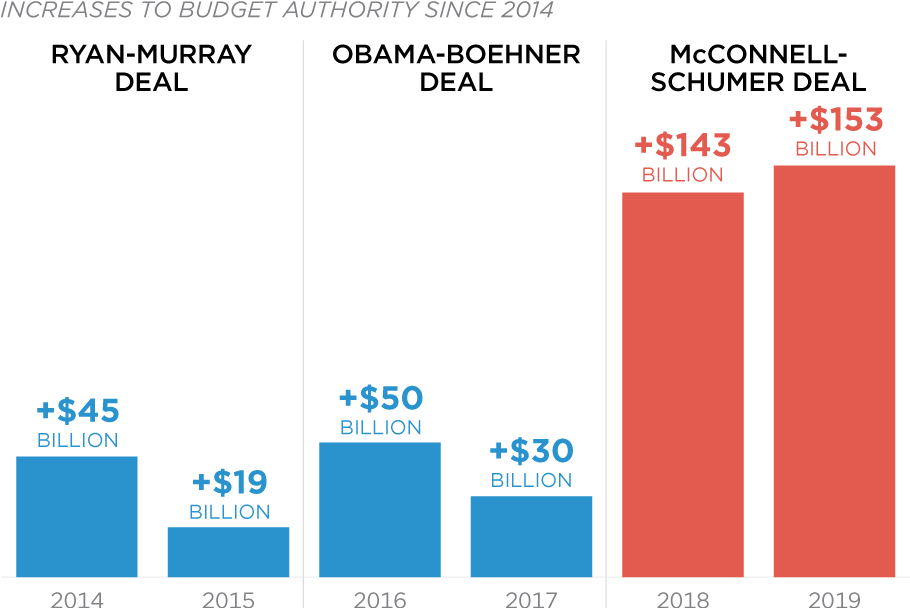
4. Budget Deals from Congress
where everyone
has everyone receiving more!
6.
Readings on Government Affecting Wellbeing
a.
How Tax Competition Benefits Workers – R. Boccia
& J. Howe
b.
Capitalism,
Socialism, and Unfreedom – P.
Krugman, N Y T
c.
Middle Class Economics
D.
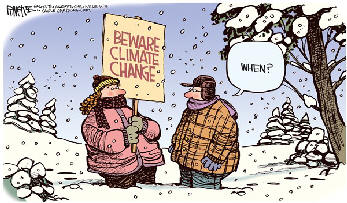
How will the economy adapt to changing environments?
1. Today's economic
environment is changing rapidly because of
the communication
revolution.
2. Magnitude of change is similar to
that which occurred in the
last quarter of the 19th century.
See
Economic Normality 1945-2015
World Changed and Good Jobs Disappeared
Why the Fed simply doesn't get it
3. Companies and individuals must "adapt or be
gone."
4. Capitalism allows creative destruction
to
work.
5. Recently technology has changed rapidly and people
are being adversely affected
a. Normally, political forces
would attempt to slow creative destruction.
b. But the 1990's was the
decade of free enterprise with little creative
destruction talk.
c. Perhaps the next recession
will slow down the free market revolution. It Did.
d. A
socialist Solution
e.
What is Capitalism?
socialist view of economic questions
f.
The Implosion of
Neoliberalism
E. How Much
Wealth is Enough?

Unit I Review
What and how to produce,
Who receives production,
adapting to changing environment
|
Supplemental
Political Economy
Stuff
Who Will Receive Production is a
Political Question
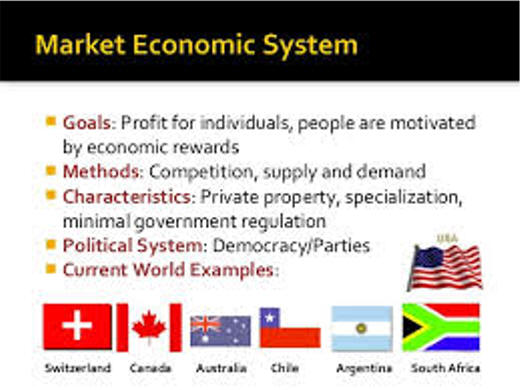
Pure
Socialism and Capitalism
Lost to Mixed Economies
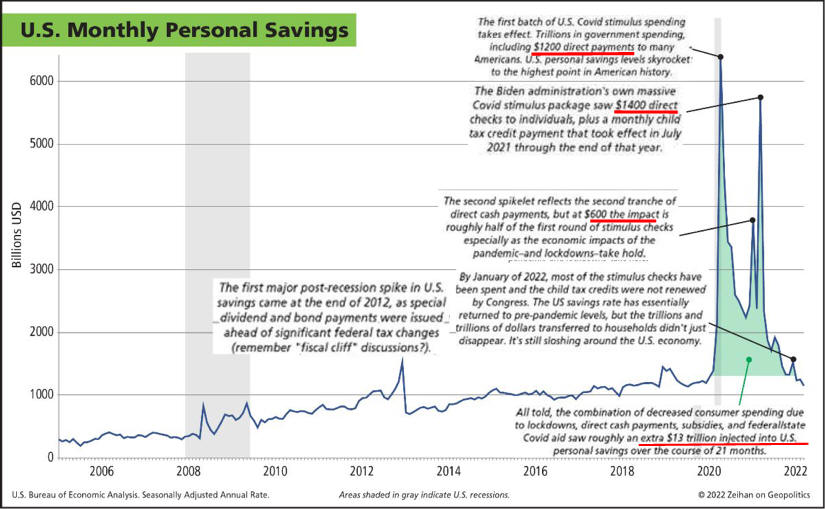
$13 Trillion Spent to Negate
Covid Shutdown.
|